Saturday, 15 October 2011
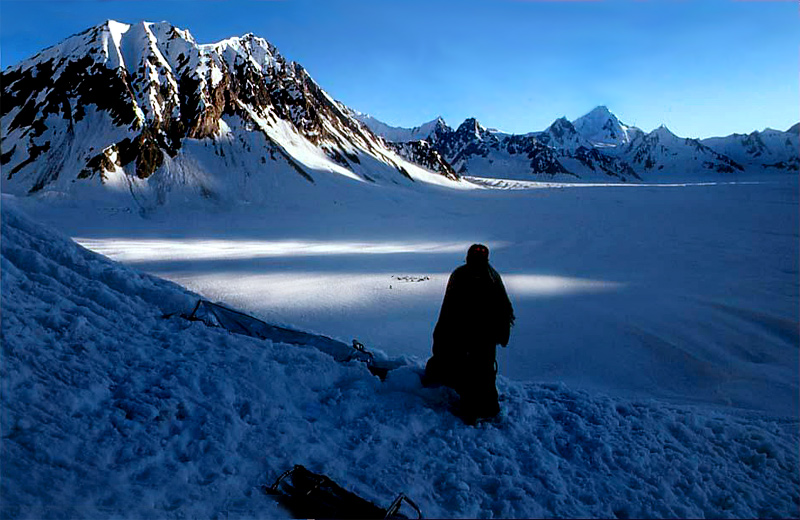
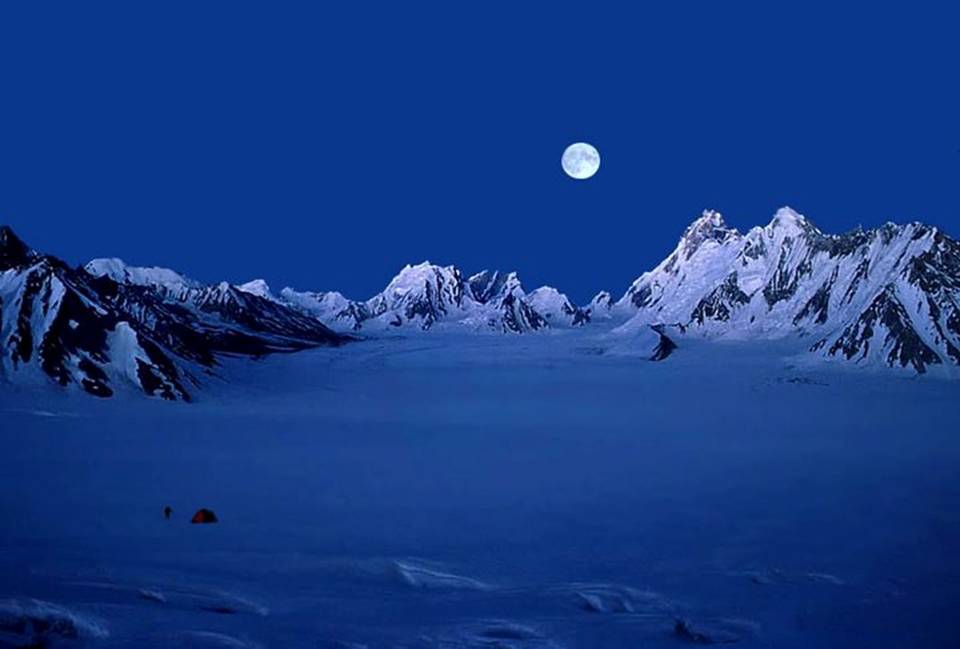
Siachen Glacier
Friday, 26 August 2011
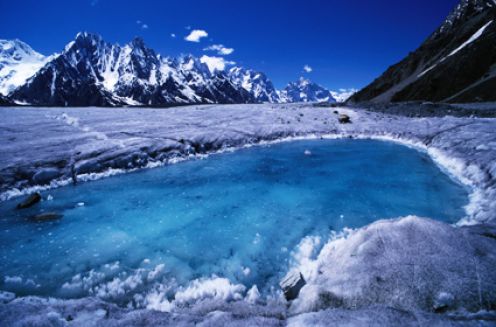
Biafo Glacier, Pakistan
Saturday, 13 August 2011
Perito Moreno Glacier
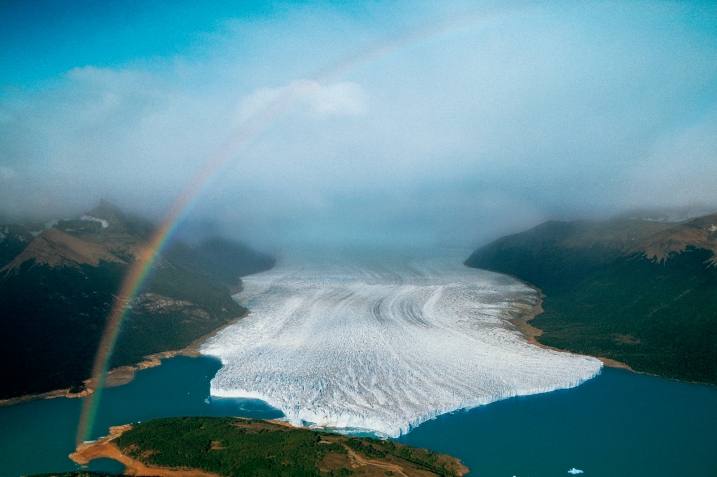
The Perito Moreno Glacier is located 48 miles from the Argentine town of El Calafate in the south west of Santa Cruz province, Argentina. It is one of the most important tourist attractions in the Argentine Patagonia. The 250 km2 ice formation, and 30 km in length, is one of 48 glaciers fed by the Southern Patagonian Ice Field located in the Andes system shared with Chile. This icefield is the world's third largest reserve of fresh water. Three viewing areas allow tourists to get safely up close and personal with the mass of ice. Visitors can witness huge chunks of ice breaking from the glacier and plummeting into Lake Argentino.
Saturday, 6 August 2011
Franz Josef Glacier
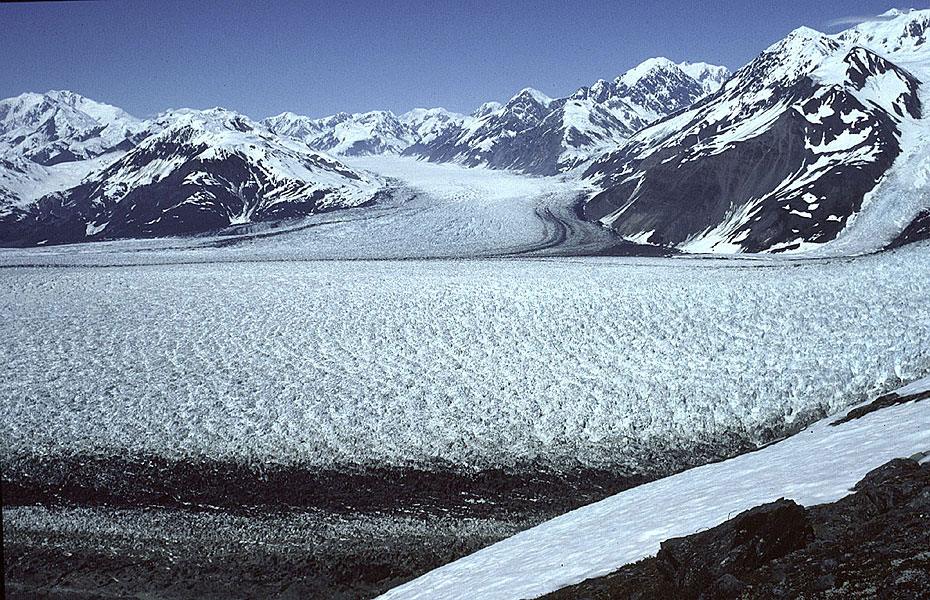
The Franz Josef is a 12 km long glacier located in Westland Tai Poutini National Park on the West Coast of New Zealand's South Island. Together with the Fox Glacier 20 km to the south, it is unique in descending from the Southern Alps to less than 300 metres above sea level, amidst the greenery and lushness of a temperate rainforest.
The area surrounding the two glaciers is part of Te Wahipounamu, a World Heritage Site park. The river emerging from the glacier terminal of Franz Josef is known as the Waiho River.
Portage Glacier
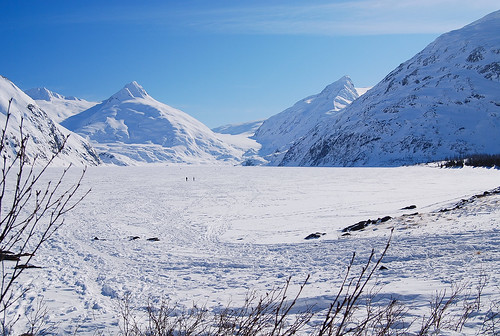
Portage Glacier is a glacier on the Kenai Peninsula of the U.S. state of Alaska and is included within the Chugach National Forest. It is located south of Portage Lake and 6 km (4 mi) west of Whittier.
Portage Glacier was a local name first recorded in 1898 by Thomas Corwin Mendenhall of the U.S. Coast and Geodetic Survey, so called because it is on a portage route between Prince William Sound and Turnagain Arm. Hundreds of years ago the glacier filled the entire Portage Valley, a distance of 14 miles (23 km), and was connected to what are now five separate glaciers.
The Begich, Boggs Visitor Center was built by the U.S. Forest Service in 1986. However, the glacier can no longer be viewed from there. A boat ride across the lake is required to view the glacier. Commercial boat tours are available.

Hubbard Glacier

Saturday, 23 July 2011
Introduction of Glaciers
A glacier is a large persistent body of ice. Originating on land, a glacier flows slowly due to stresses induced by its weight. The crevasses and other distinguishing features of a glacier are due to its flow. Another consequence of glacier flow is the transport of rock and debris abraded from its substrate and resultant landforms like cirques and moraines. A glacier forms in a location where the accumulation of snow and sleet exceeds the amount of snow that melts. Over many years, often decades or centuries, a glacier will eventually form as the snow compacts and turns to ice. A glacier is distinct from sea ice and lake ice that form on the surface of bodies of water.
The word glacier comes from French. It is derived from the Vulgar Latin *glacia and ultimately from Latin glacies meaning ice. The processes and features caused by glaciers and related to them are referred to as glacial. The process of glacier establishment, growth and flow is called glaciation. The corresponding area of study is called glaciology. Glaciers are important components of the global cryosphere.
On Earth, 99% of glacial ice is contained within vast ice sheets in the polar regions, but glaciers may be found in mountain ranges of every continent except Australia. In the tropics, glaciers occur only on high mountains.
Glacial ice is the largest reservoir of freshwater on Earth. Many glaciers store water during one season and release it later as meltwater, a water source that is especially important for plants, animals and human uses when other sources may be scant.